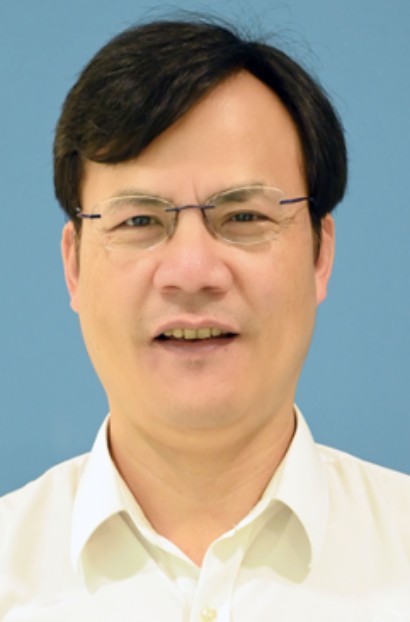
Qiushi Chair Professor, Zhejiang University
Lab Name:
Xu Lab
Homepage
haoxingx@zju.edu.cn
Research
Dr. Xu's current research interests include exploring the physiological and pathological roles of lysosomal membranes proteins in various fundamental cellular functions and associated diseases through interdisciplinary technical approaches.
Number of Participants
2
Biography
Dr. Xu is currently a Chair Professor at Liangzhu Laboratory, Zhejiang University; New Cornerstone Investigator; adjunct professor at MCD Biology Department, University of Michigan; and Dean of School of Basic Medical Sciences, Zhejiang University. Dr. Xu received his undergraduate degree from Peking University, Ph.D. from Georgia State University, and postdoctoral training at Harvard Medical School. He then joined the University of Michigan where he was promoted to the tenured position of full professor. He was selected for the National and Zhejiang Province's High-level Talents. Dr. Xu has made stellar contributions to the field of lysosome research, pioneering a groundbreaking technique known as the whole-lysosome patch clamp. This innovative approach has opened up new avenues of exploration and advanced our understanding of lysosomal channels.
What You Can Expect in the Project
In the research project focused on lysosome membrane proteins, you can expect an exciting and challenging experience. You will delve into the fascinating world of lysosomes, investigating their function and regulation. Laboratory work will involve conducting experiments using techniques such as cell culture, microscopy, patch-clamping, and molecular biology. You will collect and analyze data rigorously, honing your scientific skills. Collaboration with peers and experts in the field will foster knowledge exchange and critical thinking. Expect to encounter obstacles, requiring troubleshooting and problem-solving skills. Ultimately, the project will provide an invaluable opportunity to contribute to the understanding of lysosome membrane proteins' intricate mechanisms.